The Waste Management Division at National Cleaning Company (NCC) is one of our largest and most vital divisions, dedicated to providing comprehensive waste management solutions across various sectors.
Established in 1999, NCC has grown into a major shareholding company with a multinational workforce exceeding 400 employees. We operate over 60 specialist machines to support our waste management operations. Our division is a major contractor for The Public Authority for Industry, Kuwait Oil Company and Ministry of Health, offering integrated waste and environmental management services both locally and internationally.
Building hazardous waste landfills with advanced insulation and leachate collection systems. Our landfills are designed to safely contain hazardous waste, preventing contamination of soil and groundwater.
Implementing groundwater monitoring wells for early leak detection. These wells provide continuous monitoring of groundwater quality, ensuring that any potential leaks are detected and addressed promptly.
Managing waste reception and treatment stations in compliance with K-EPA, USEPA SW-846, and international regulations. Our facilities are equipped to handle a wide range of hazardous and inert wastes, ensuring safe and compliant disposal.
Operating hazardous waste treatment centers in Shuaiba Industrial area, Kuwait and in Mesaieed Industrial City, Qatar. These centers provide comprehensive treatment and proper disposal solutions for industrial waste, including solids, liquids, and sludge.
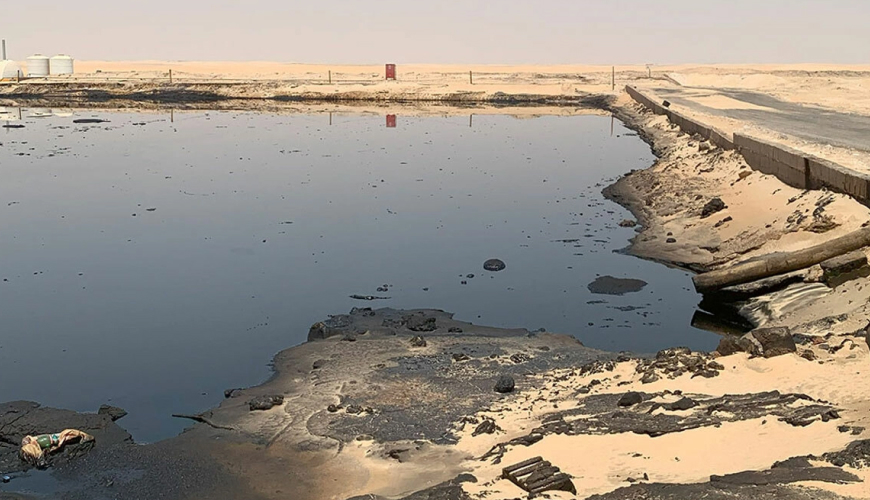
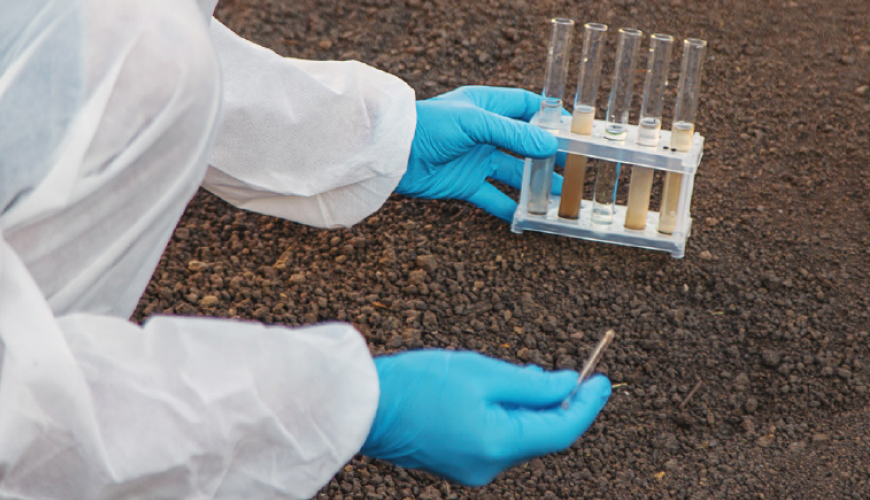
Conducting detailed surveys and sample analyses of oil lakes and pits to identify waste characteristics and contamination levels. This process involves the collection of waste samples, which are then analyzed to determine the extent of contamination. The data collected helps in planning the most effective rehabilitation strategy tailored to each specific site.
Implementing tailored cleanup strategies, including pit profiling, oil recovery, and soil decontamination, to rehabilitate oil lakes and pits effectively. Our rehabilitation process involves the use of advanced technologies and methodologies to remove contaminants, treat affected areas, and restore the land to its natural state.
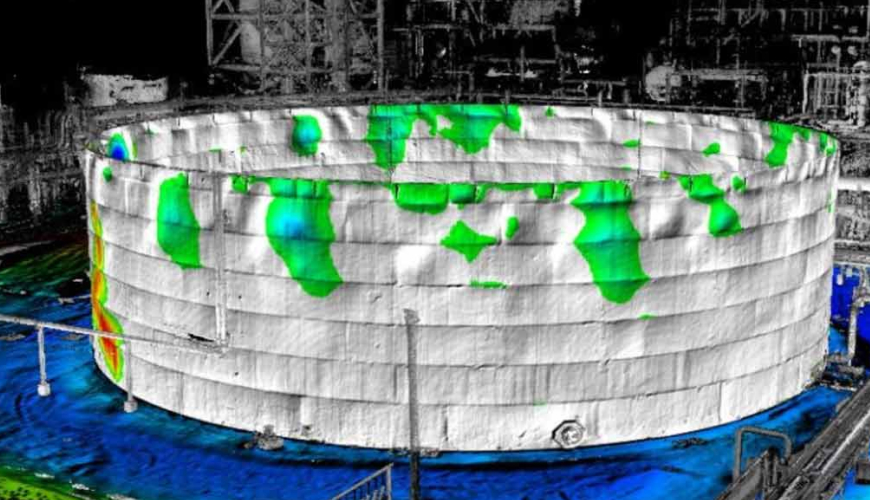
Utilizing advanced techniques such as ultrasound technology to measure sludge thickness and distribution in petroleum storage tanks. This allows for planning and execution of sludge removal operations, ensuring safety and efficiency.
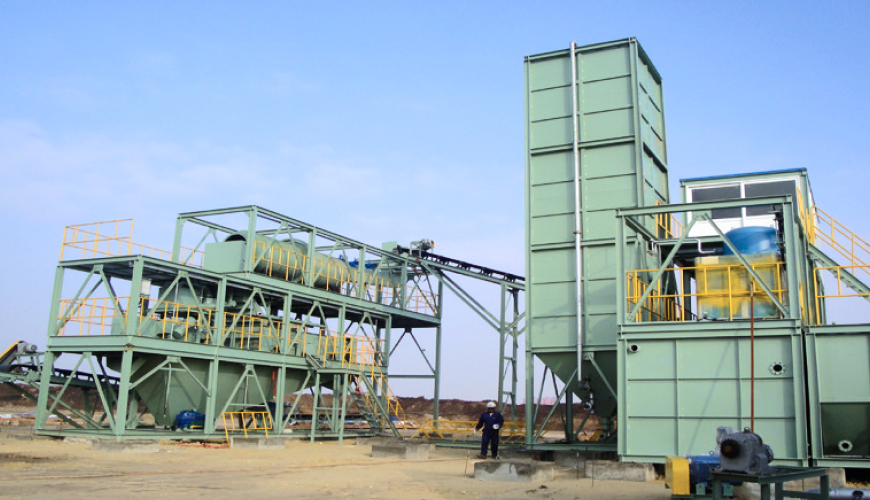
Employing up-to-date technologies like the three phase centrifuging system to separate oil from sludge, ensuring efficient recovery and minimizing environmental impact. Our system heats the weathered oil, separates debris, and recovers usable petroleum products, which are then processed for reuse.
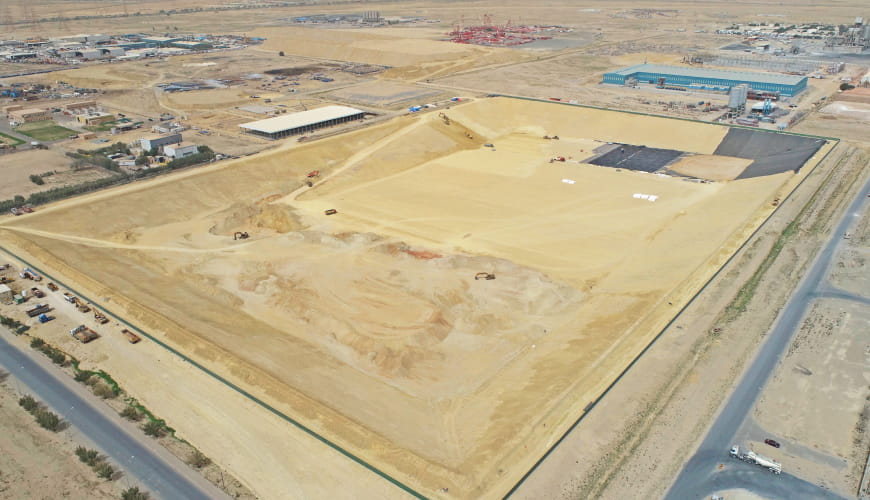
Conducting borehole drilling around contaminated areas to obtain soil samples for analysis. This involves creating a network of boreholes strategically placed to provide a comprehensive understanding of soil contamination levels.
Using innovative software to create 3D models of contamination levels, aiding in the selection of appropriate treatment technologies. This modeling helps visualize the extent of contamination and plan effective remediation strategies.
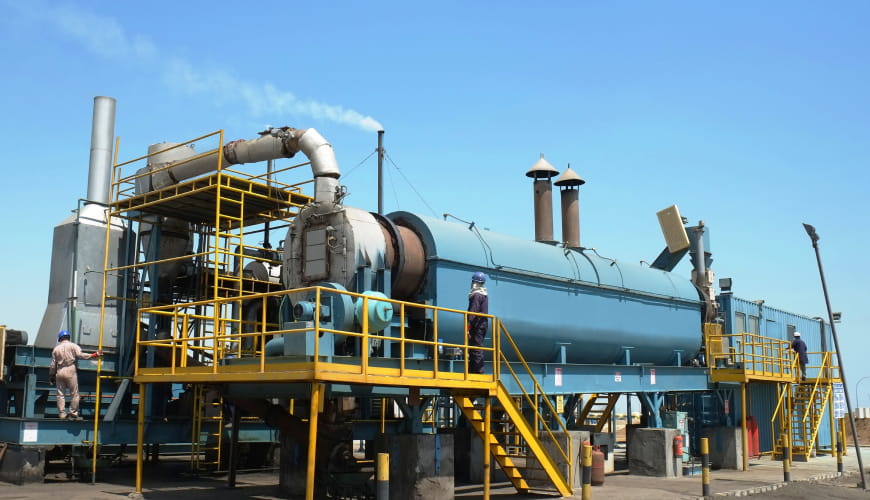
Using high-temperature desorption to remove contaminants from soil without oxygen, effectively treating drilling mud, oily sludge, and contaminated soil. The process operates at temperatures up to 650°C, vaporizing contaminants which are then recovered through a vapor recovery system.
Applying natural processes using microorganisms to degrade hydrocarbon (TPH) pollutants in soil. This method uses specially selected bacteria and nutrients to break down contaminants, converting them into harmless substances.
Employing hydro pro reactors for soil decontamination. This method uses advanced reactors to treat contaminated soil, removing hazardous substances and restoring soil quality.
Using chemical and surfactant blends to wash contaminants out of soil, leaving clean soil behind. This process involves treating the soil with a washing solution that separates contaminants, which are then recovered and processed.
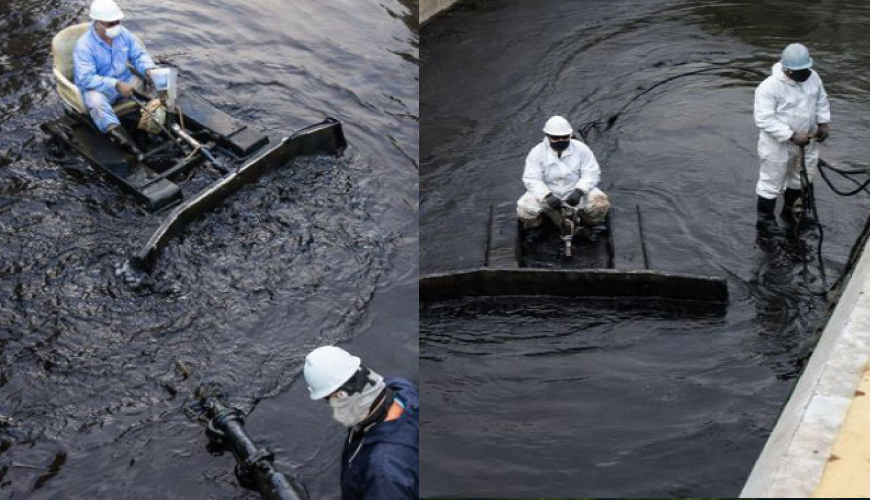
Removing sludge from API separators using hydro dredgers, ensuring continuous operation without shutting down refineries. The hydro dredger breaks down sludge and pumps it out for treatment, maintaining the efficiency of the separators.
Utilizing disc type skimmers for efficient oil recovery from API separators. These skimmers attract oil to rotating discs, which are then scraped off and collected for processing.
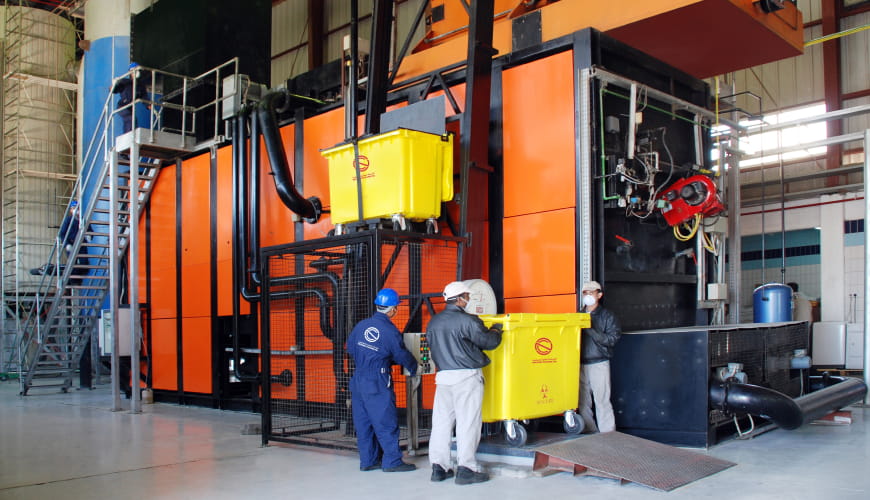
Handling all aspects of medical waste management, including collection, transportation, treatment, and disposal. Our services ensure safe and compliant handling of medical waste, protecting public health and the environment.
Operating and maintaining the largest medical waste incinerators in Kuwait, ensuring safe and compliant disposal. Our incinerators are designed to handle a wide range of medical wastes, providing high-efficiency and low-emission solutions.